Grazing country in the Strathalbyn district
A little over 150 hectares of rolling grazing. Two dams and a creek frontage, a steel shed and old stone yards, and a stone cottage with a deep verandah facing north.
See the creek frontage after rainFarms and country houses from Strathalbyn, read by where the rain falls, where it's kept and where it leaves.
Thinking about selling? Ask us to read the water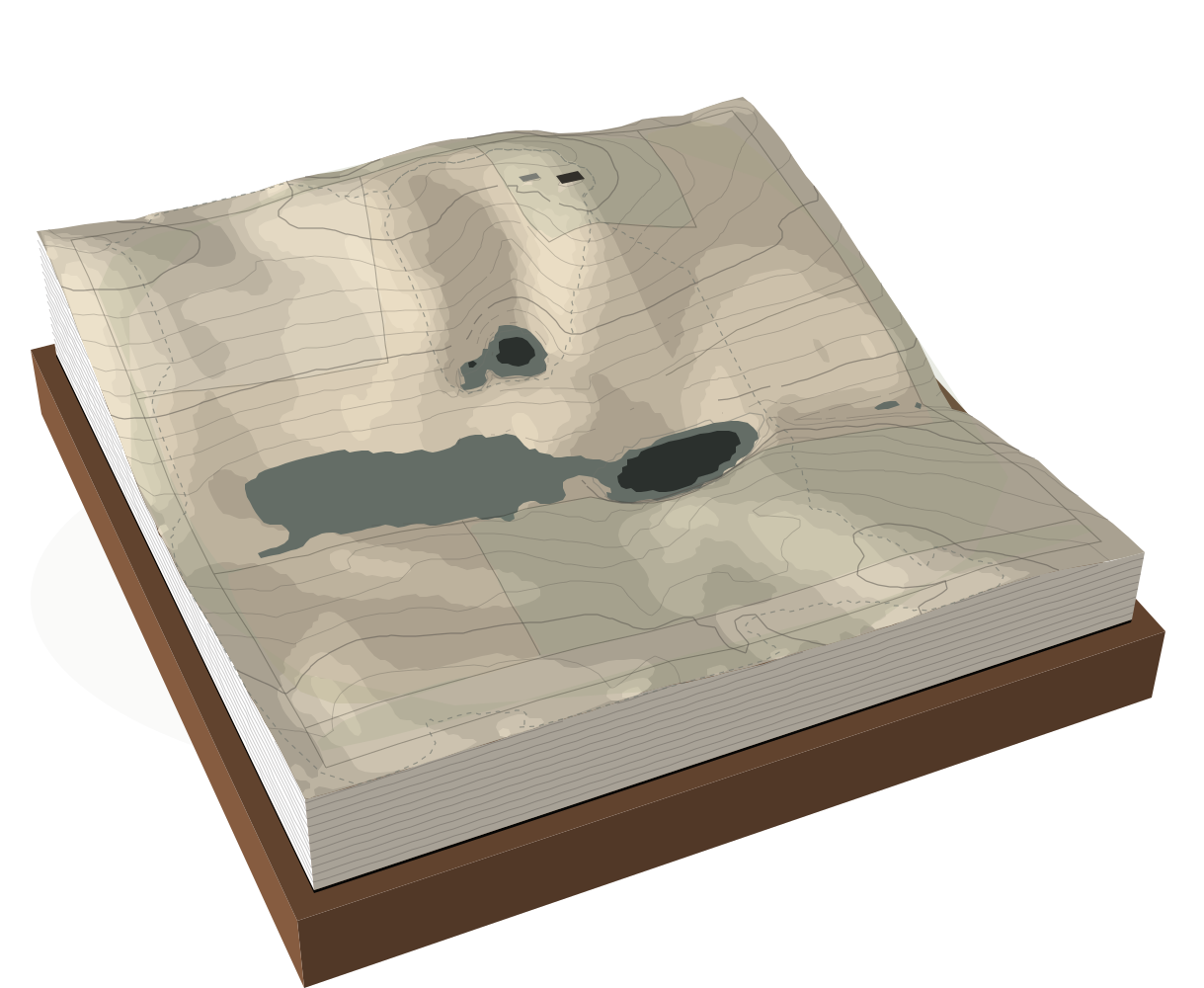
After 40 mm: both dams full, the creek running.
Rain on this model is illustrative. Or hold R.

Four places, each drawn with its water: where it's caught, where it's kept and where it runs off. We name the district here, and the rest when you come out.
A little over 150 hectares of rolling grazing. Two dams and a creek frontage, a steel shed and old stone yards, and a stone cottage with a deep verandah facing north.
See the creek frontage after rainClose to 50 hectares, three dams, a woolshed with yards, and a four-bedroom house looking east.
Go round the three damsAbout 12 hectares with a spring-fed soak and a dam, a hay shed and stables, and a restored two-bedroom cottage.
See the soak and the cottageSeveral hundred hectares of cropping and grazing, two dams and a stock-water pipeline, a machinery shed and silos, and a brick house with a garden.
Drive the paddocks after harvestAn appraisal with us starts where the water does: on the high ground, and over the neighbour's boundary.
Water, then the fences, then the sheds and yards, then the soil and the feed, and then, last, the house.
We find each dam and where it fills from, follow the bywash to the creek, and see where the water leaves the place. Only then do we open the sheds and dig a boot into the bottom paddock.
The dashed lines are the catchments the model found: everything inside the small one drains to the house dam, and everything inside the big one ends up in the creek dam. Where a catchment runs over the boundary, that water is shared with the neighbour.

After a 40 mm fall, both dams on the model spill and the creek runs (illustrative).
Look at the dams in a dry month, not after a wet week. Find the catchment. If the neighbour's rise drains onto the place, that water is shared.
The sun takes more than the stock. Where do they drink when the dam is low, and what do the tanks hold?
Follow the bywash. A clear spillway and a sound wall matter more than a full dam.
Drag the sun across for a dry spring. The dam starts where the model left it.
Illustrative: evaporation, seepage and stock water worked day by day for this dam's shape, with no rain.

When the creek dam spills, the water leaves the place. A frontage is worth seeing twice: once after rain, and once in March.
After rain, see where it runs and where it spreads over the flat. In March, see whether there are still pools, and whether the stock can get to them without breaking down the banks.
By the time we reach the kitchen table we know what a buyer will ask first, and so do you.


The water. Dams, tanks, the bore if there is one, and where all of it comes from. The fences. A buyer leans on the strainers before they look at the view. The sheds. They open every door. The house. Last, and it still matters. The paperwork. Plans, rates notices and anything about the water, in one folder on the kitchen table.
Tell us where the place is, and we'll come out and find where its rain goes.
Nothing is decided on the first visit. We look at the dams, the creek and the catchment with you, then the rest, and tell you plainly what a buyer will see.
