Skip to content
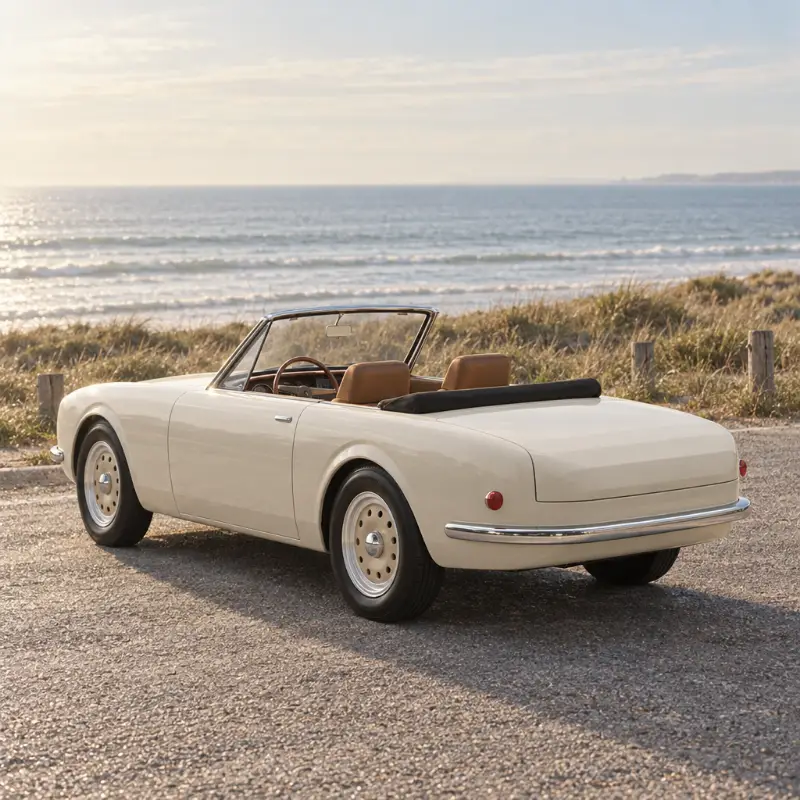
Three cars side by side on a grey studio cove: a near-black fastback, an ivory roadster and an oxide-red shooting brake

We look hard, and write it down.

Classic and collector cars sold on consignment from our floor in Kilkenny. We find particular cars for buyers interstate and overseas, and look at cars for people buying elsewhere. We don’t restore anything, which leaves us no reason to like a car more than it deserves.

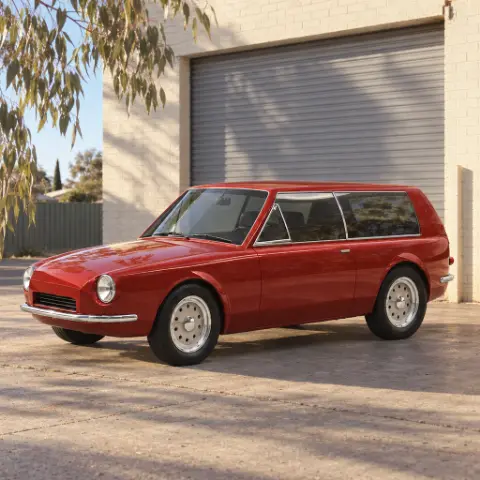
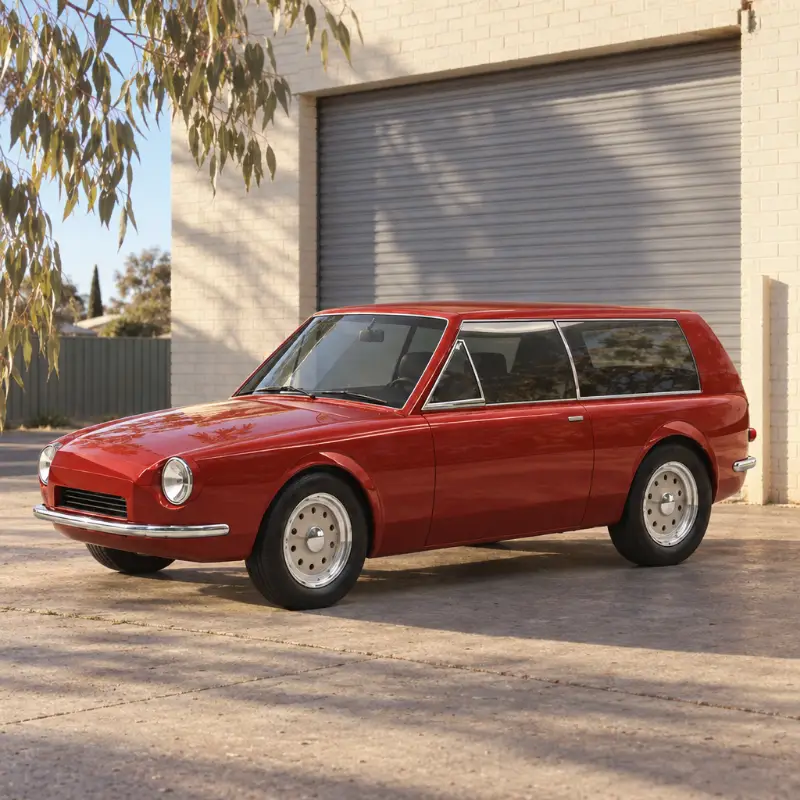
  • The oxide-red shooting brake on the forecourt in front of a cream-brick wall, early morningThe morning it came in
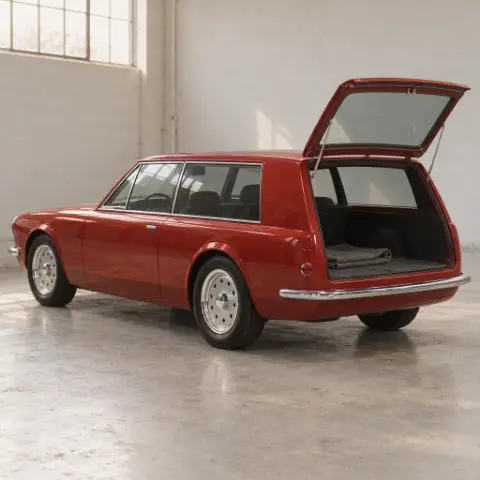
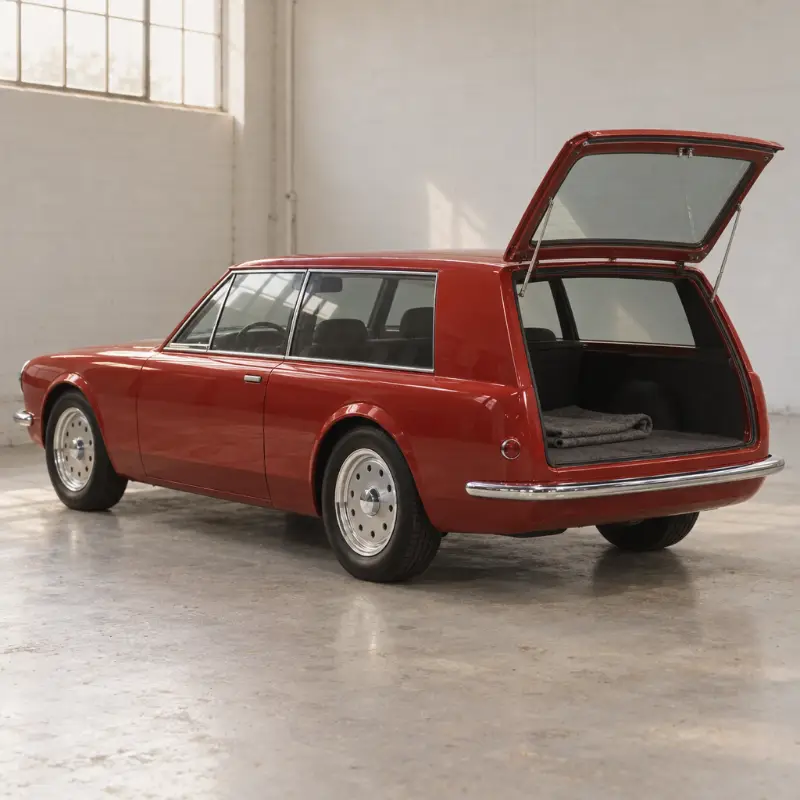
  • The shooting brake from behind, its glass tailgate lifted, a folded blanket on the load floorStays up, second time
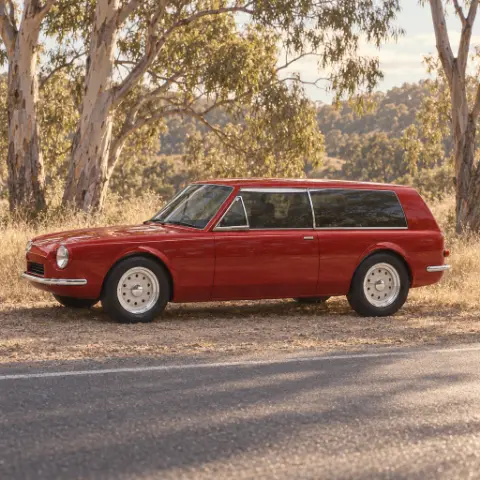
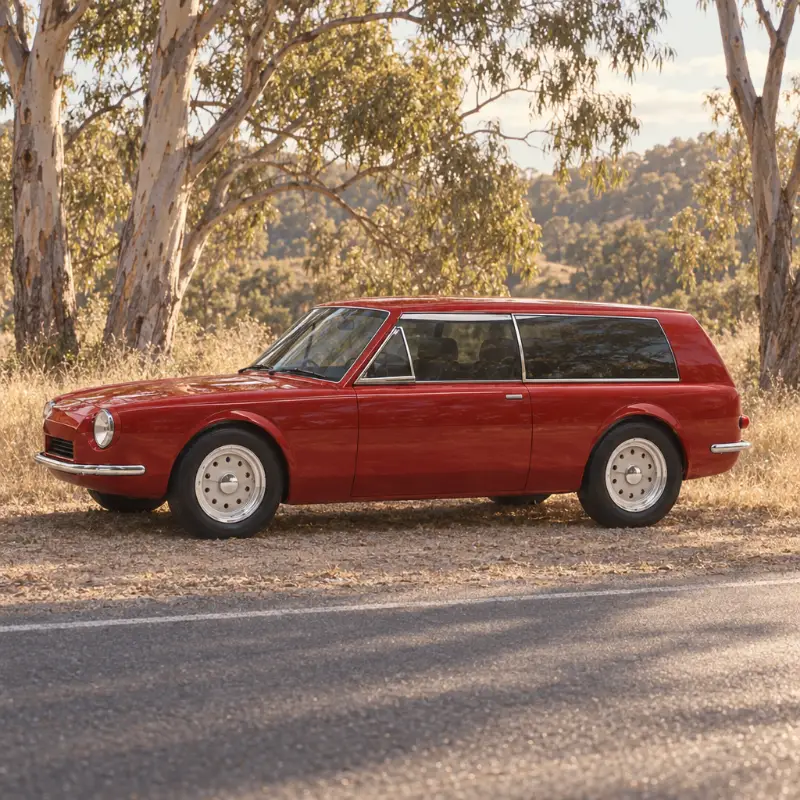
  • The shooting brake side-on at the edge of a country road under gum treesLong in the roof

Original: The quarterlight, open: first glass, first frame, first catch.(the small pane ahead of the door)

Drag to walk round it. 1, 2, 3 choose. G for the gaps.Drag the car to walk round it.

We sell it for you. On consignment, from our floor in Kilkenny. We find it for you. For buyers interstate and overseas. We look at it for you. Wherever it’s for sale. We don’t fix it.

No workshop, no paint shop, no favourite car. A restorer has reasons to love a car; we only have reasons to look at it. When we sell one for you, we write down what it is before anyone sees it, and the buyer reads the notes we’d want to read.

On the floor

Three cars with us at the moment. Their notes are set the way we write them: heavy for what it left the factory with, light for what it didn’t, italic for what we found.

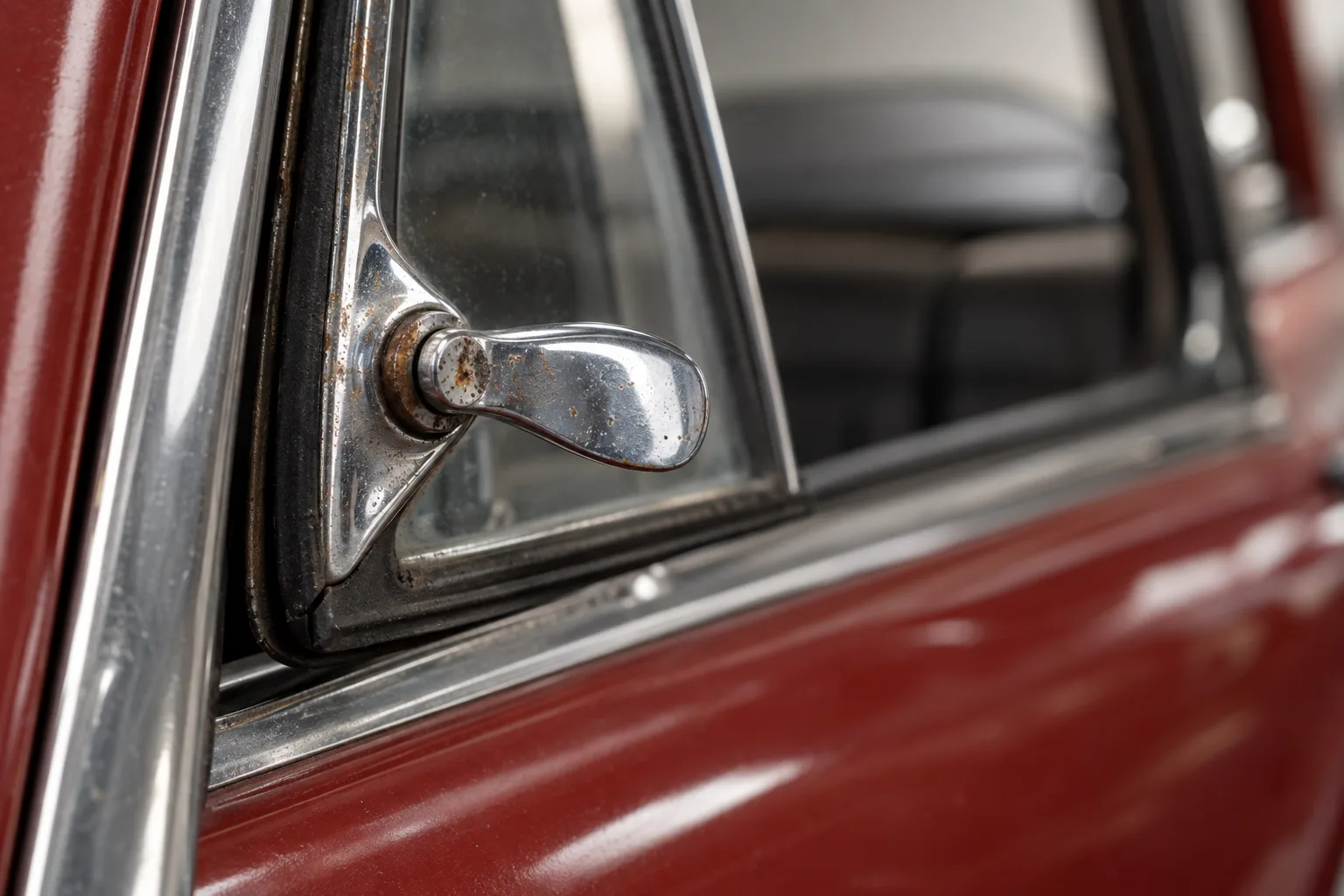
The chrome catch of the shooting brake's quarterlight, pitted at the pivot, the red door beyond
Quarterlight catch, shooting brake. Chrome, original. Pitted at the pivot, where a thumb goes.

Shooting brake

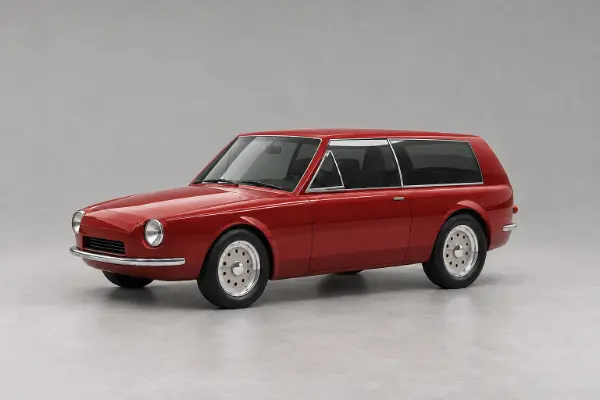
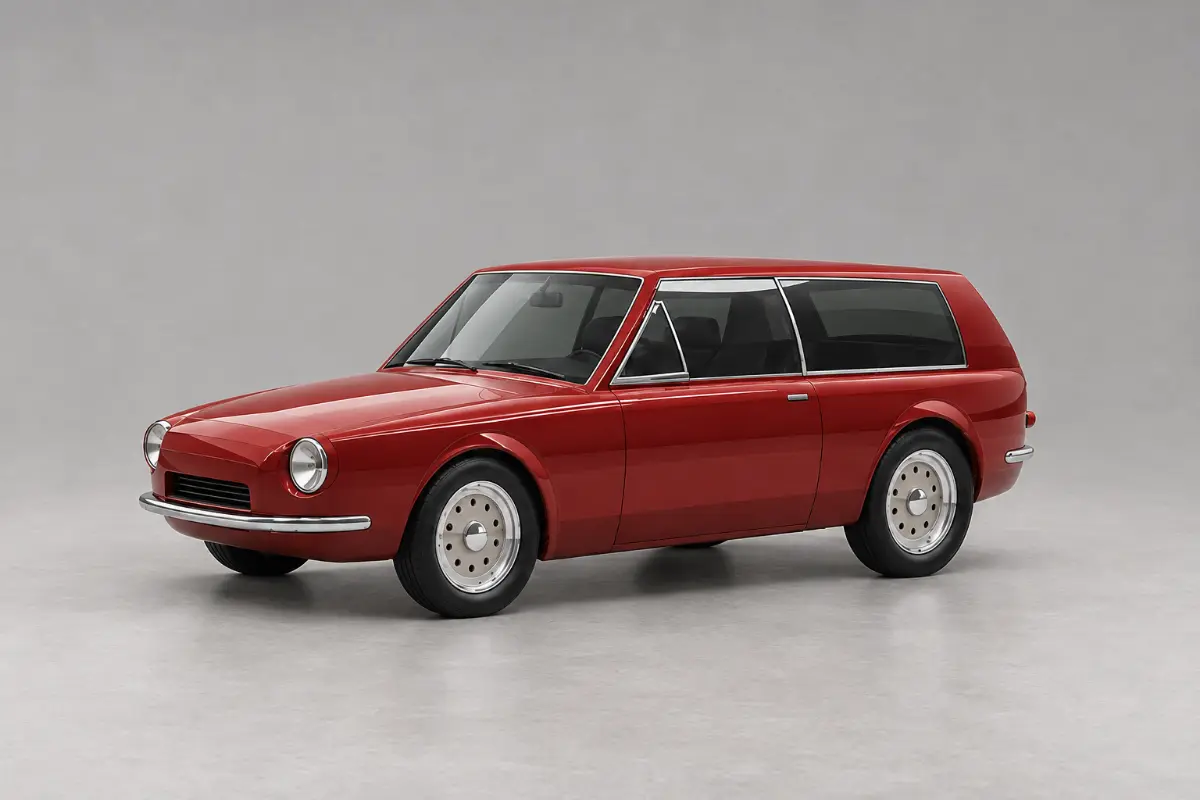
The long-roofed one: a grand tourer with a tailgate, the roof carried flat almost to the end and the glass tailgate standing nearly upright between two broad pillars. Room for two and a dog, or two and a lot of luggage.

Original: The paint, oxide red. The quarterlights, the windscreen and the chrome round both. The tailgate, its hinges and its glass. The dash and its gauges.

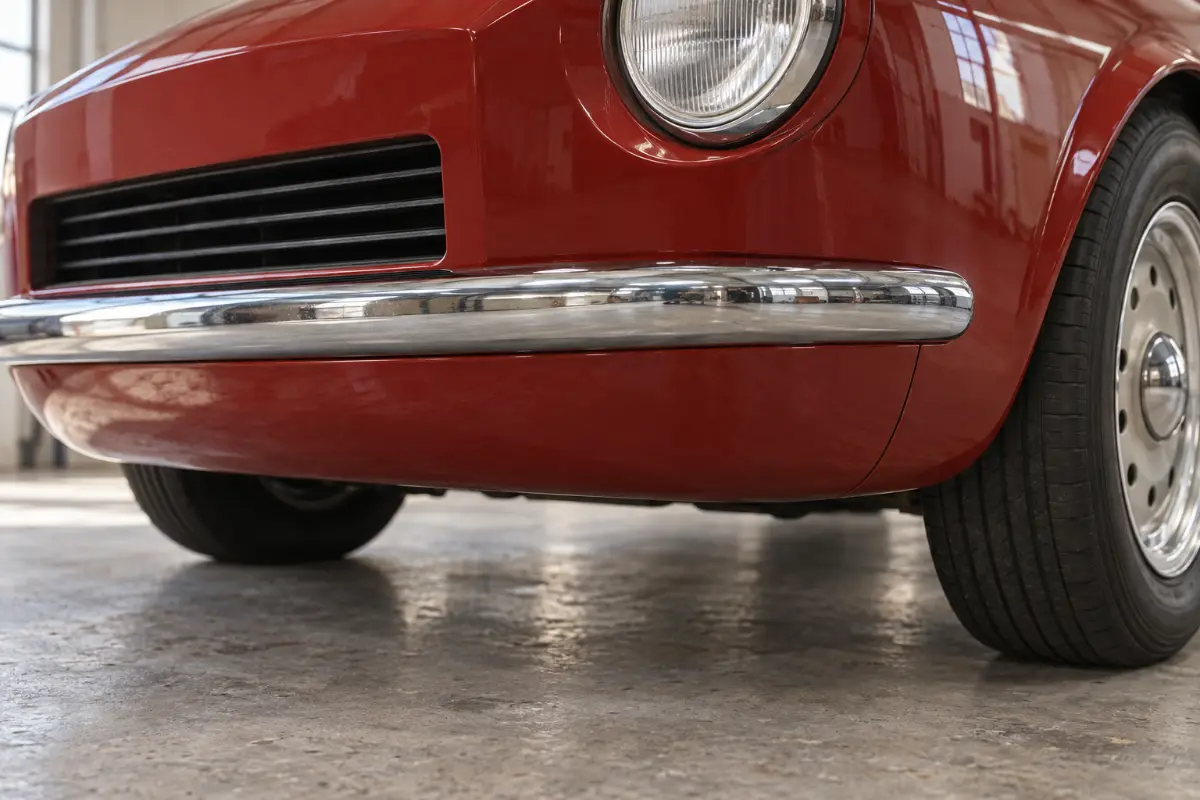
Not original: The front valance, remade in steel by someone careful. The carpets.

Found: The left quarterlight’s catch is pitted where sixty years of thumbs have been. The tailgate stays up if you ask it twice, and its gap is 5.5 mm on the left against 4 on the right: it shuts a little proud. The doors are even all round.
Ask about the shooting brakeThe fastback

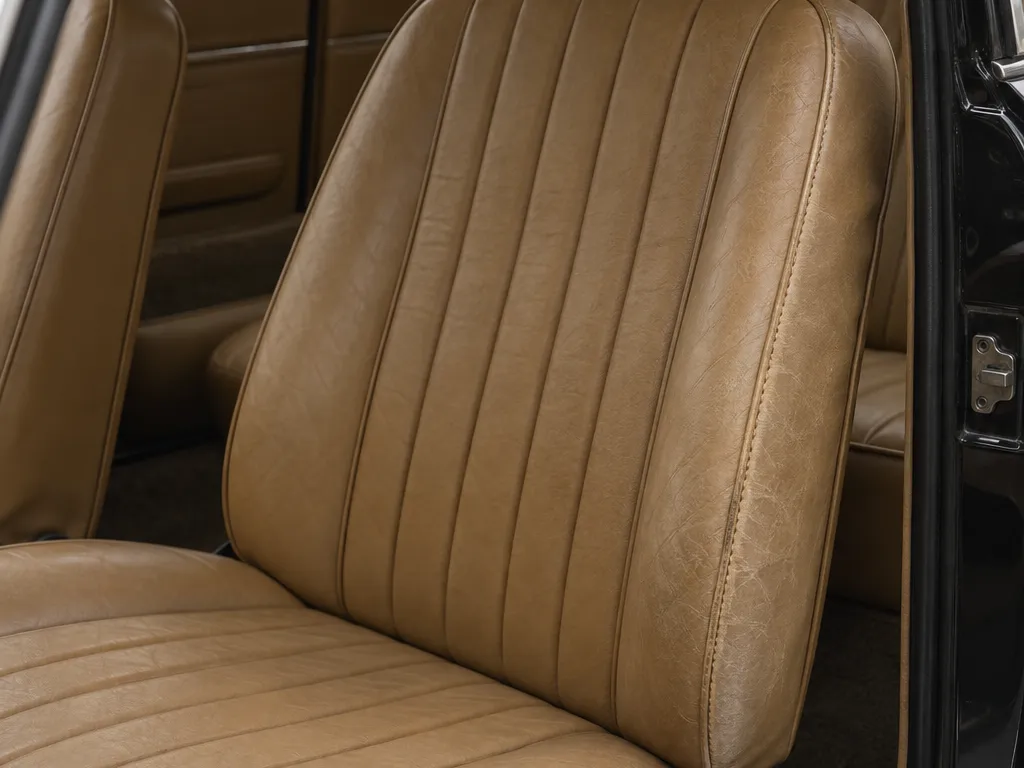
The fastback's tan driver's seat through the open black door, one bolster seam sewn again in a lighter thread
Driver’s seat, fastback. Re-covered. One seam sewn again, in a lighter thread.

Fastback

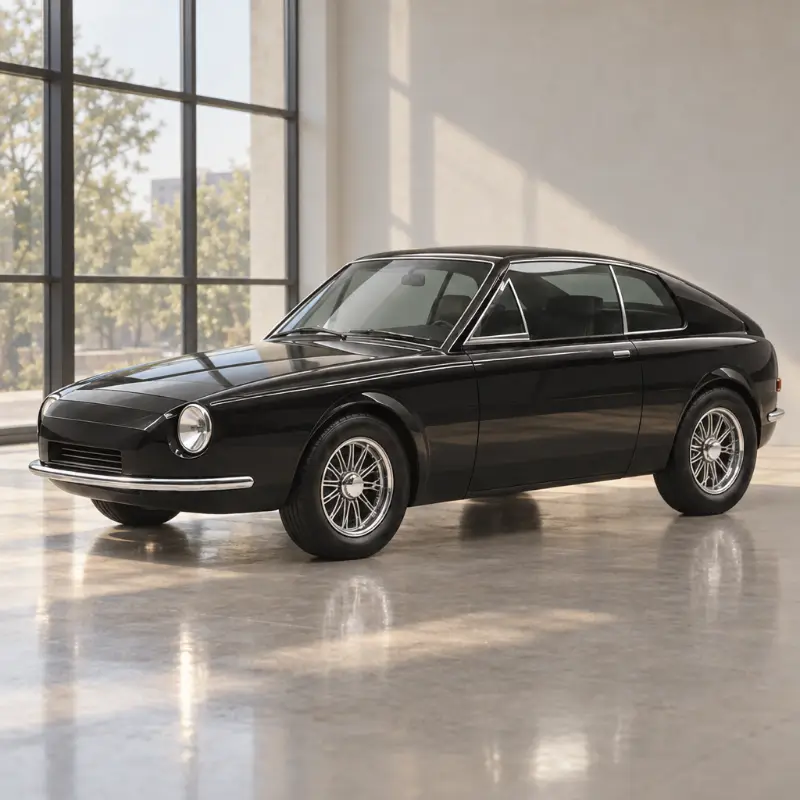
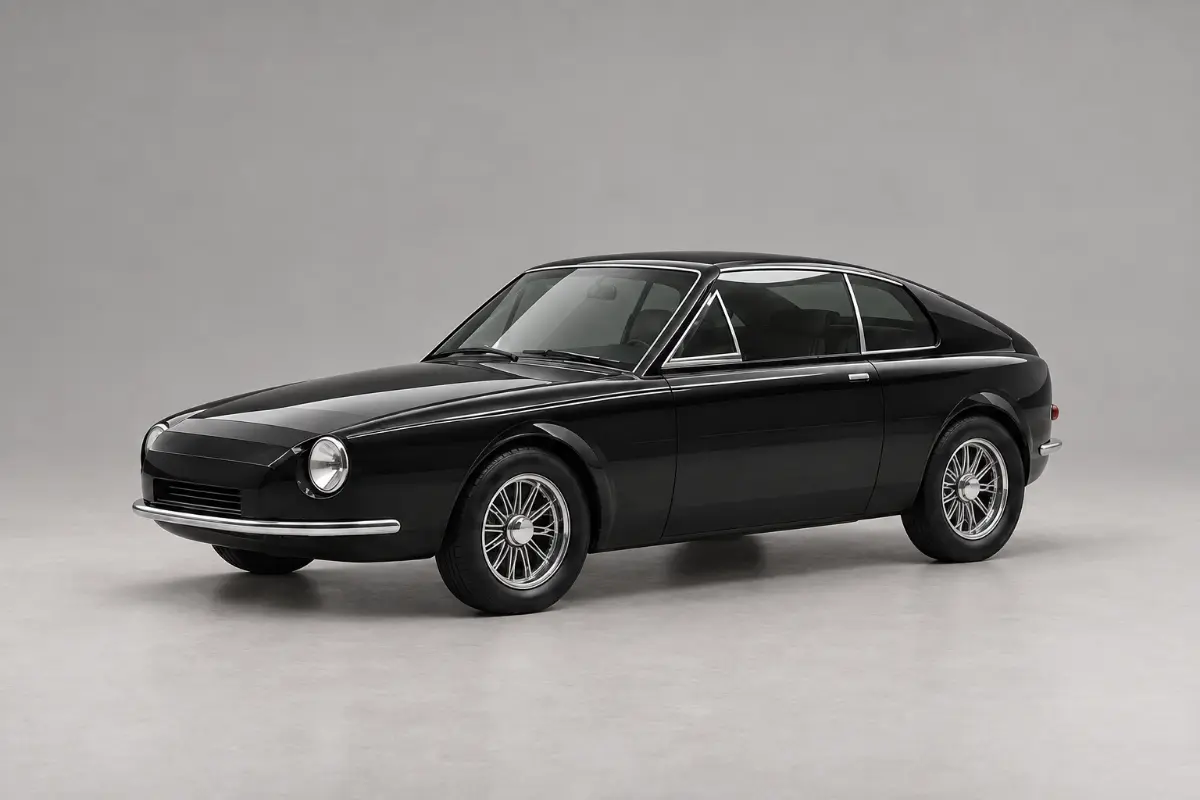
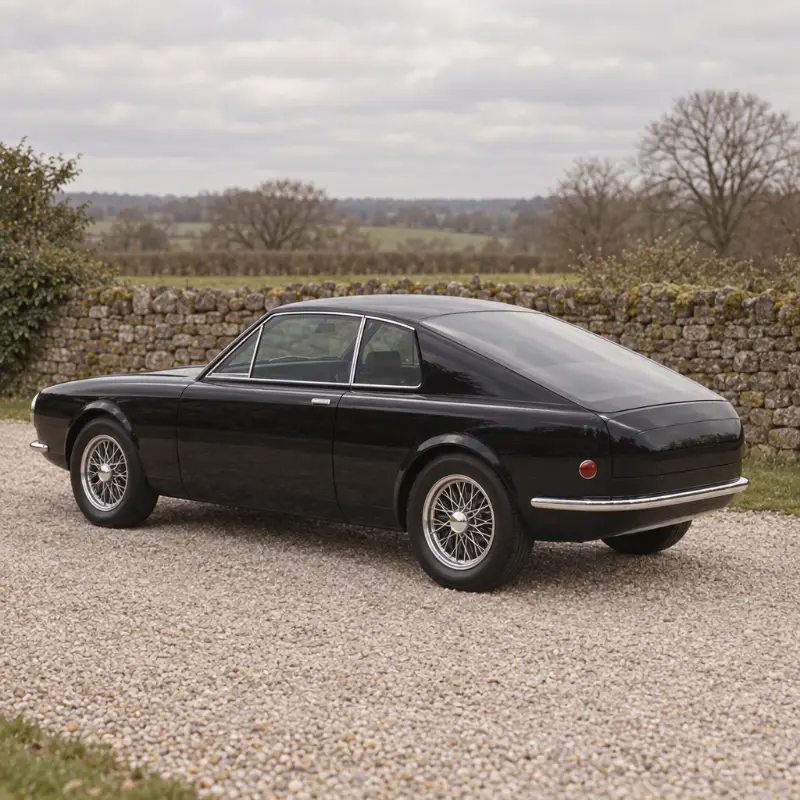
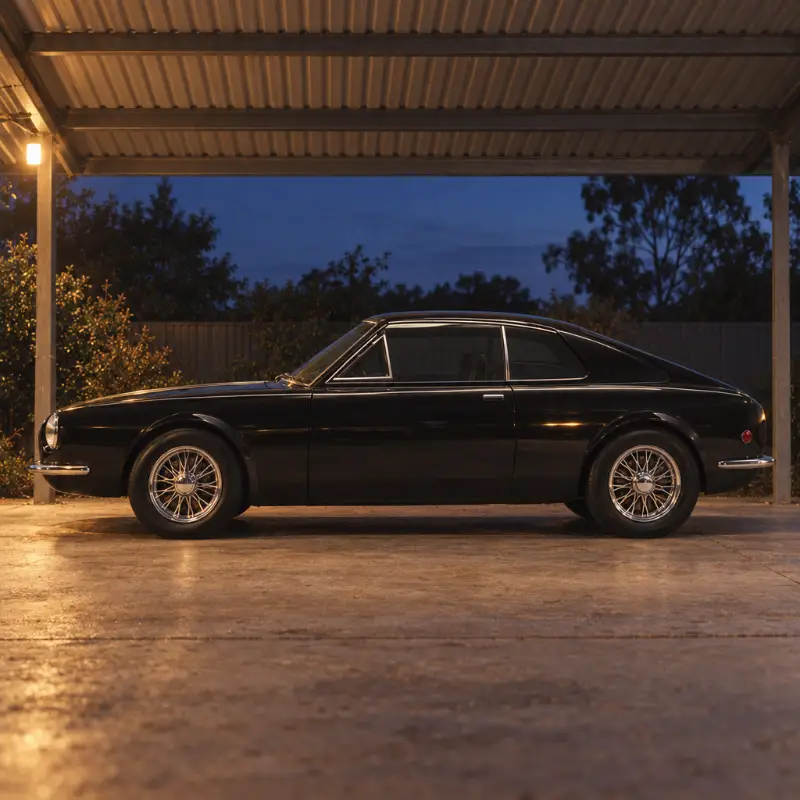
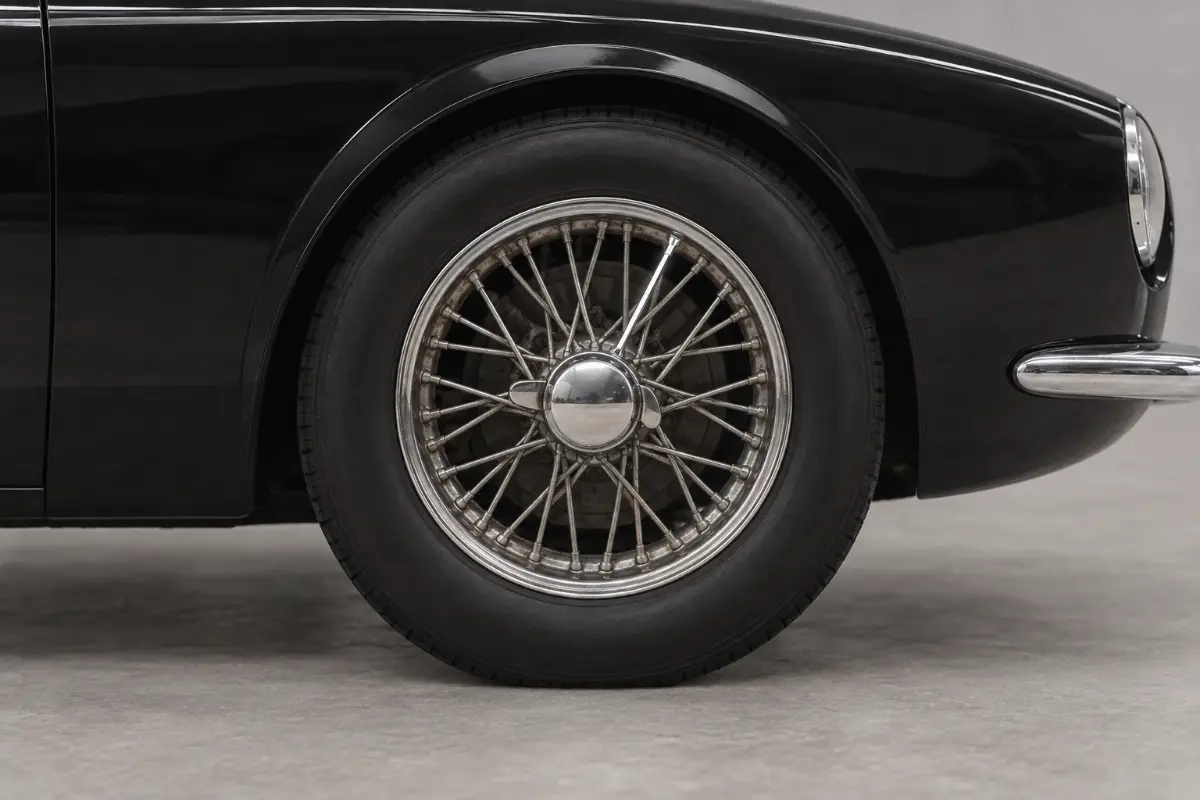
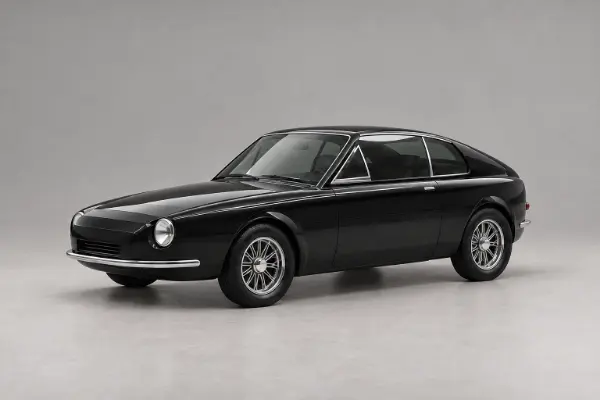
A fastback from the early sixties, in black: two doors, four seats, the back two for short people on short trips. It sits high at the waist and stops short behind the back wheels, which makes it look shorter than it drives. A six in line, twin carburettors, a four-speed, wire wheels.

Original: The glass, all of it. The quarterlights and their catches. The engine and gearbox. The wire wheels.

Not original: The paint: resprayed once, long ago and well. The seats, re-covered in a leather close to the first. The exhaust from the manifold back.

Found: The door shuts show the first black, a shade warmer than the new. A hand’s width of filler low in the left rear quarter, old and stable; a magnet finds it, and so does the left door’s back gap, 6 mm against 4.5 at the front. One seam on the driver’s bolster was sewn again in a lighter thread. One spoke on the front right is brighter than the rest. A weep at the back of the engine; see below.

Ask about the fastbackThe roadster

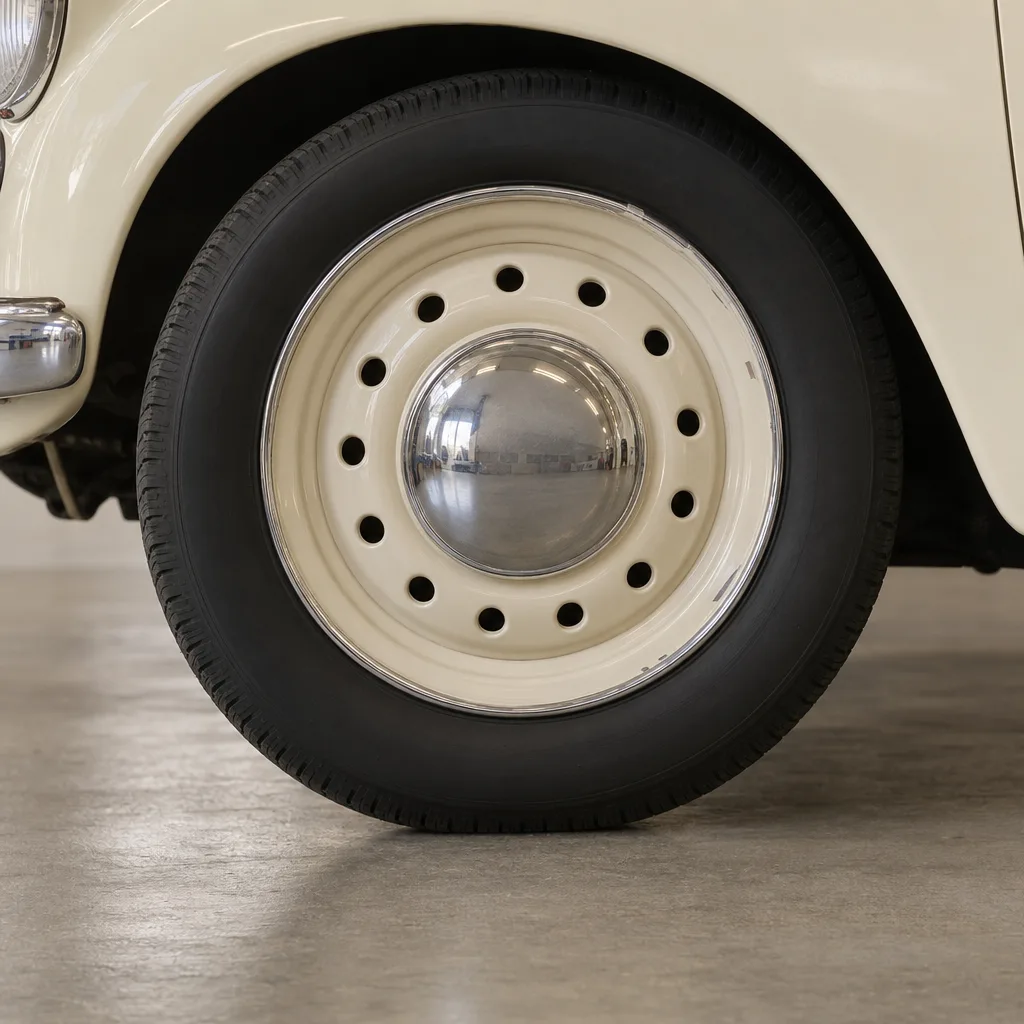
The roadster's ivory steel wheel, its later chrome ring and the small scratches where it was levered on
Front left wheel, roadster. Steel, original; the ring isn’t. Scratched at the rim, where the ring was levered on.

Roadster

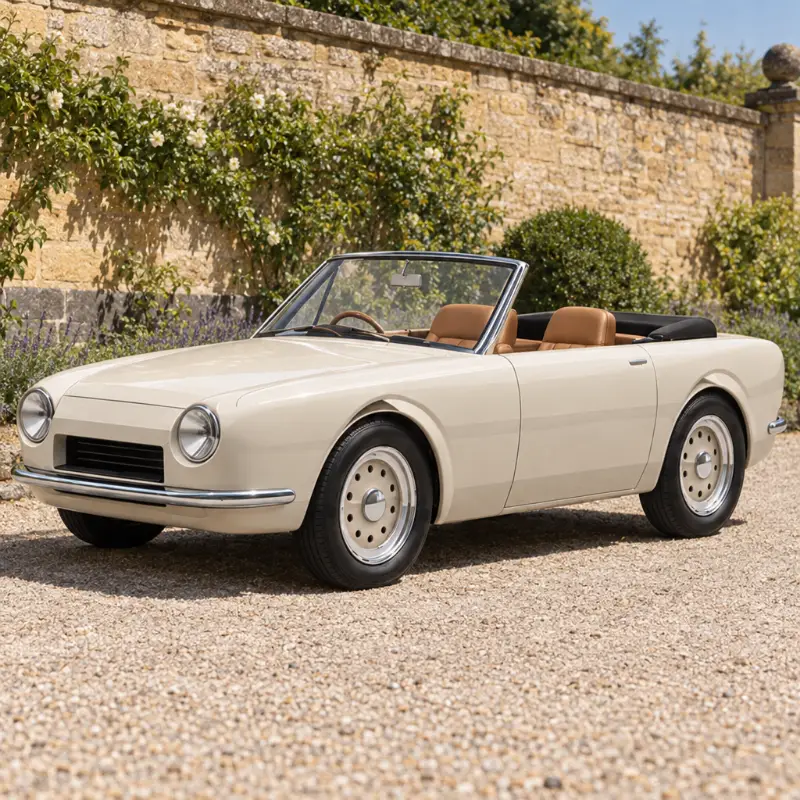
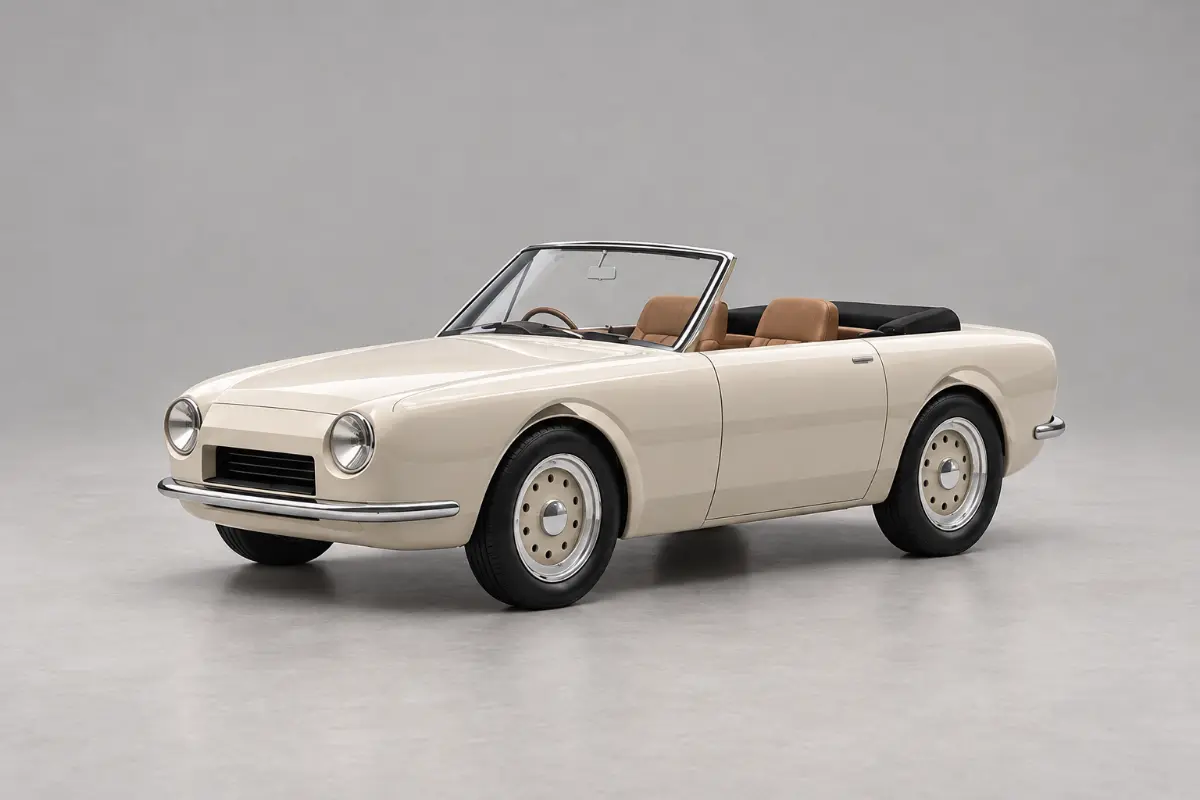
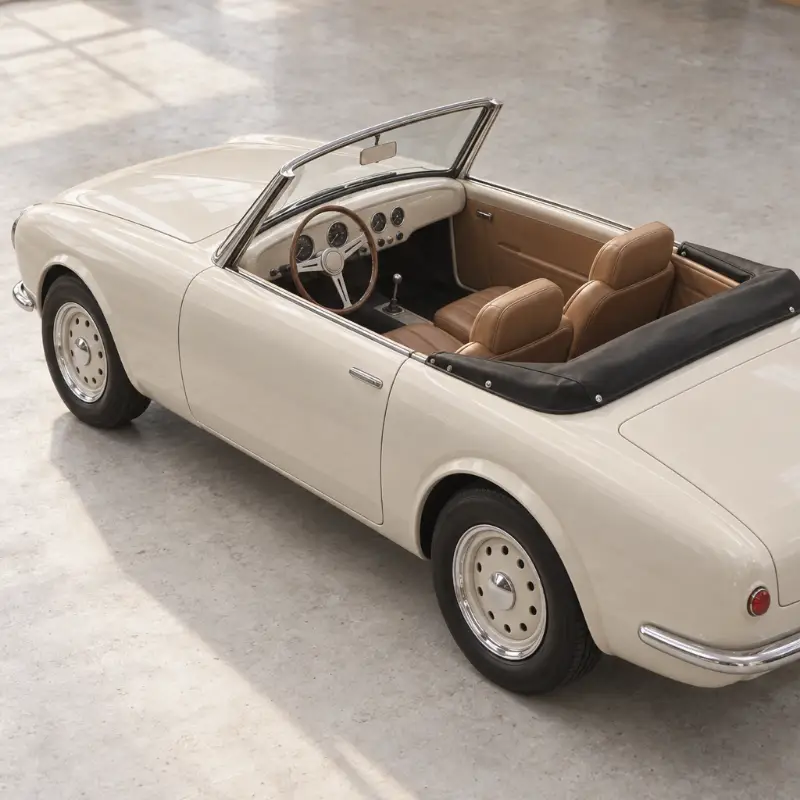
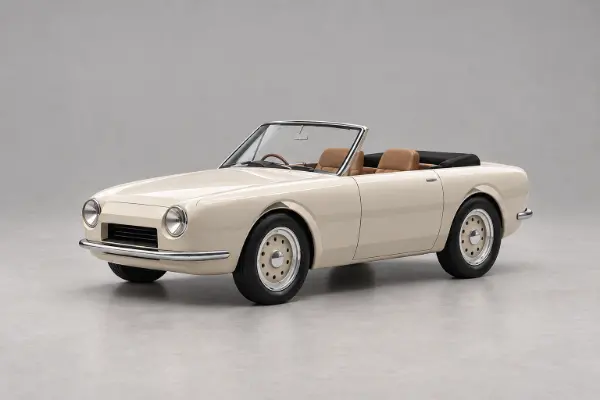
An open two-seater in old ivory, with flat-topped wings and its lamps tucked in beside the grille rather than out on the wings. Lighter than it looks, and it knows it.

Original: The steel wheels and three of their four chrome rings. The windscreen frame. The dash, the switches, the steering wheel.

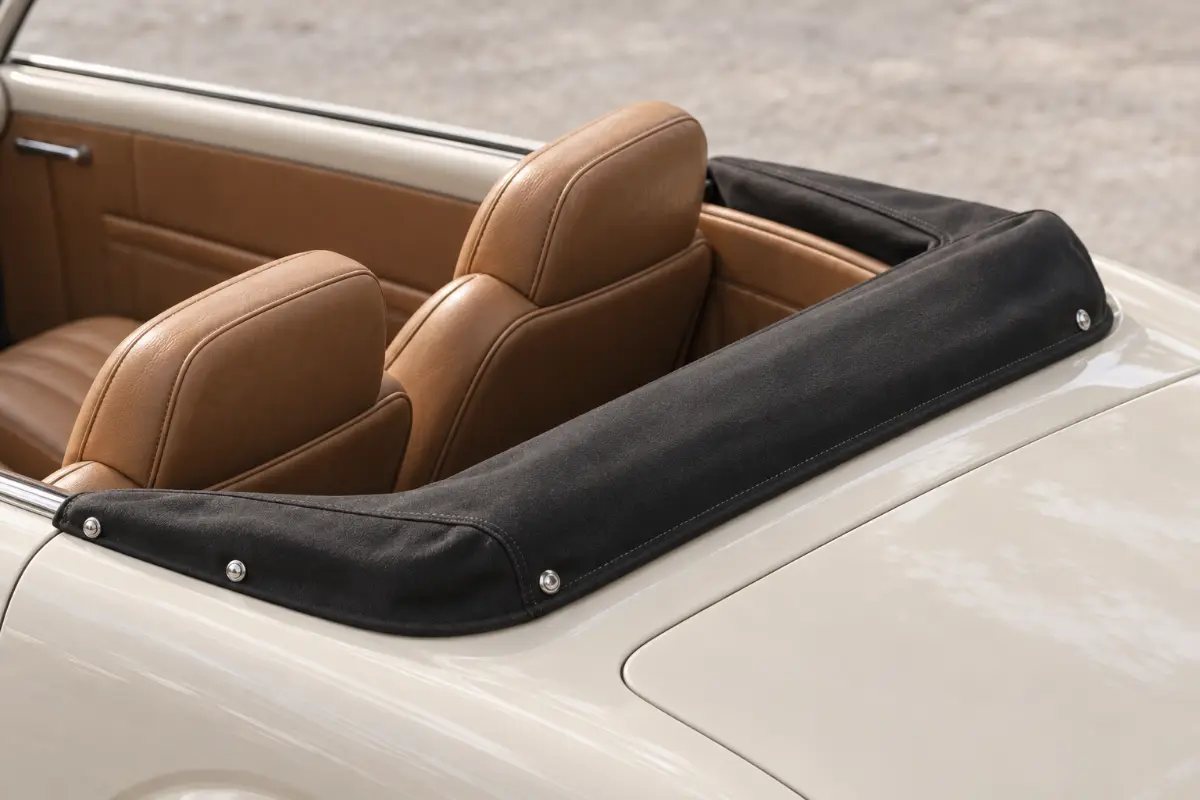
Not original: The hood and its frame, a later job in good cloth. The windscreen glass. The ring on the front left wheel.

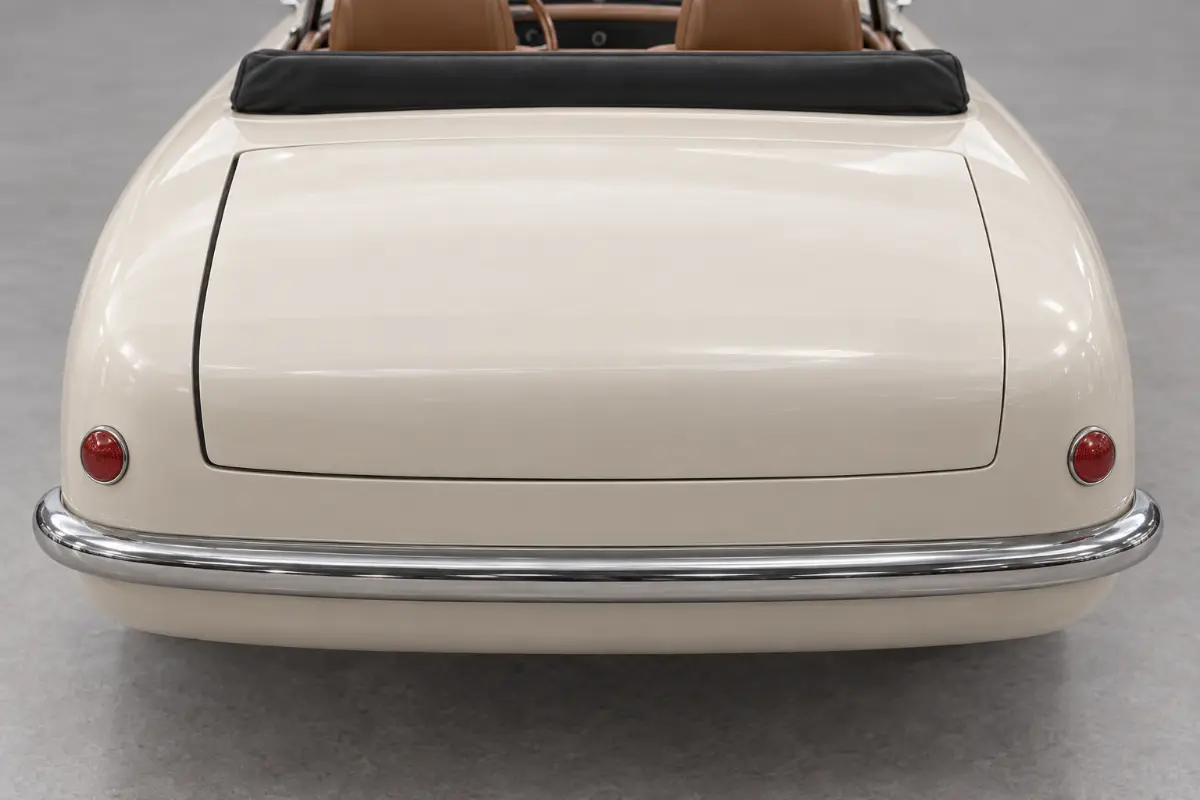
Found: The sills are sound; a magnet held all the way along both. The front left ring is a later one, and whoever fitted it used a screwdriver. The boot lid sits wider on the left, 6.5 mm against 4, and has since before us.

Ask about the roadsterThe shooting brake

What we write down

Set heavy: what it left the factory with. Set light: what it didn’t. In italics: what we found.

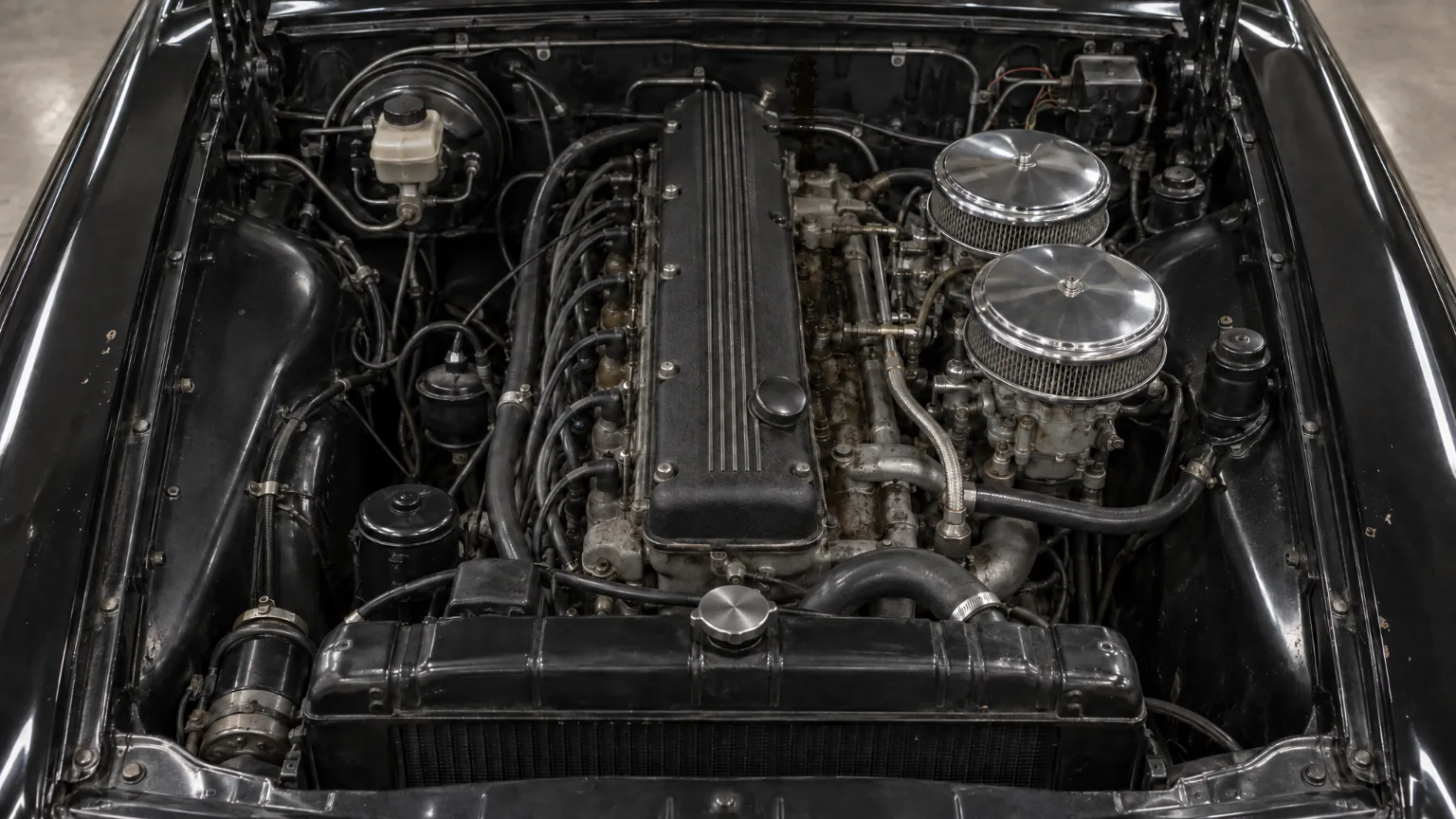
The fastback, under the bonnet, looked at cold

Original: The block, the head, the cam cover in its black crackle. The carburettors and their air cleaners.

Not original: Most of the hoses. One clamp, newer and brighter than the rest. The battery tray.

Found: A weep at the back of the block that marks the pit floor by morning, not by lunchtime. It starts on the second turn from cold; the seller hadn’t warmed it up, and we thanked them.

Looking down into the fastback's engine bay: a black six, one bright new hose clamp, a weep at the back of the block
Engine bay, fastback, from above, before it was started. A weep at the back of the block; one clamp newer than the rest.

We don’t put a score on it. A score is how you stop reading.

Bay, pit, cove, floor

Leaving a car with us. Here’s where it goes in the building, and what happens to it on the way.

  1. The arrival bay

    It comes off a truck or in under its own steam, and we write down which. Photographed as it arrived, dust and all.

  2. The pit

    Underneath first, with a lamp and time: floors, sills, rails, anything that’s been welded. Most of the notes start here.

  3. The cove

    Photographed on our floor under the same two softboxes as every other car, the finding first.

  4. The floor

    It waits on the floor with its notes on the seat for anyone to read. Covered, on a battery conditioner, started once a week.

  5. Handover

    Keys, the notes and the photographs, and a walk round it together. The notes go with it, including the ones you’d rather we’d left out.

What we need from you.
The car, its keys, whatever paperwork it has, and what you know about it, good and bad.
Who drives it.
We do, with the buyer beside us.
What we won’t do.
Polish anything that should be written down.
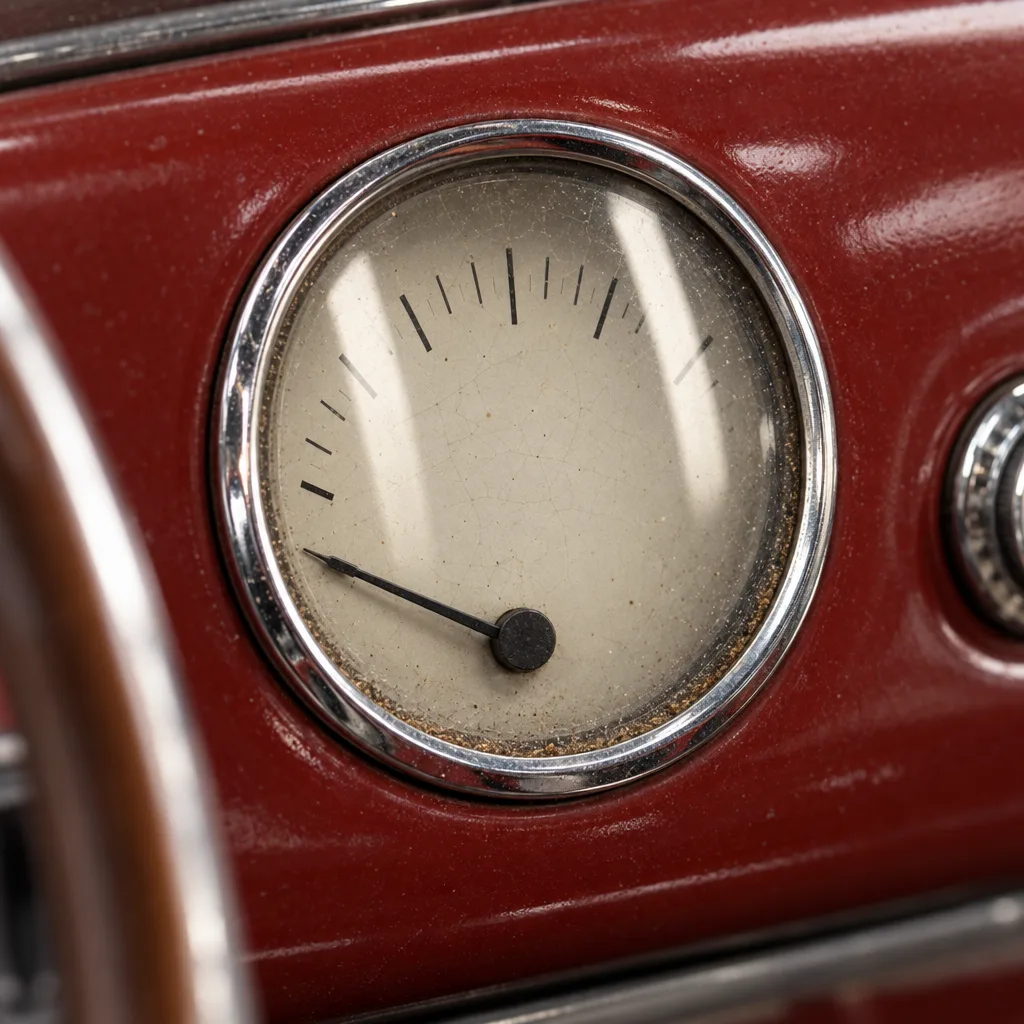
An unmarked gauge in the shooting brake's red dash, its needle resting just past the lowest mark
A gauge in the shooting brake’s dash. Original. The needle rests just past its lowest mark.

Finding one for you

For buyers interstate and overseas who can’t walk round a car in Adelaide on a Tuesday.

What is it you’re after?

Describe the car, not the badge: the shape, the era in words, how you’ll use it, the colours you’d be happy with and the one you wouldn’t.

What would you forgive?

A respray, a later gearbox, a seat re-covered. Tell us now; it decides which cars we even go and see.

What wouldn’t you?

Rust in the rails, a roof that’s been off, a car that used to be something else. We’d rather lose you a car than find you the wrong one.

When we find one, you get our photographs, the finding first, and the notes in the same three voices. If we find nothing worth your money, we say so.

Some searches end with us talking someone out of a car.

We’ll go and look at it.

Anywhere in South Australia, and further when it’s worth the trip. We take a magnet along the sills, a torch up the chassis rails, a feeler gauge to every shut line, and we ask for a cold start. We go underneath if there’s a hoist or a pit, and take a drive if they’ll let us.

Measure the gaps on the car at the top of the page, the way we would on yours.

Original: You get the notes and the photographs.

Not original: You don’t get a verdict.

Found: We’ll tell you what it is. Whether you want it is up to you.

Finding it a place

Before it comes home, see if it fits.

More good cars have come unstuck at the garage door than at an inspection. Put in your garage, choose from our floor, and we’ll pack them in with their doors open and a way through to the house.

From our floor

Car sizes in millimetres, drawn for this page.

mm
mm
mm
mm
mm
13060006400

Both go in.

Tightest gap: 130 mm, between the shooting brake’s passenger door and the roadster.

Every door opens.

The tailgate lifts clear.

The walkway runs up between the shooting brake and the roadster and turns right along the back wall to the internal door without stepping over anything.

Ask us.

What’s it about?
A suburb or a city is plenty.
When suits you to come in

Quarterlight · Kilkenny, South Australia

The three cars, their notes and the garage sizes on this page are drawn for this page.